If you brought home a puppy in the last few months — or plan to soon — you are about to live through the most influential 12 weeks of that dog's life. Summer is loud, social, hot, and unpredictable, and every one of those traits is an opportunity. Used correctly, the summer months can hardwire calmness, confidence, and recall into a puppy's nervous system. Used poorly, the same months can install lifelong fears. The difference is not the breed, the breeder, or luck. It is the plan.
The Developmental Stakes Are Real
Work by Scott and Fuller at the Jackson Laboratory, later confirmed by decades of behavioral research, established that the period between roughly 3 and 14 weeks is when a puppy's brain is most receptive to forming neutral or positive associations with novel stimuli. The American Veterinary Society of Animal Behavior is explicit: inadequate socialization during this window is the #1 behavioral cause of euthanasia in dogs under three. Summer-born and spring-born puppies are biologically primed to absorb the noises and chaos of summer — if the exposure is paced correctly.
"Lack of socialization is the #1 behavioral cause of euthanasia in dogs under 3"
— American Veterinary Society of Animal Behavior (AVSAB)
Weeks 1–2: Build the Foundation Indoors
Before summer exposure ramps up, a puppy needs a predictable home routine: a crate they willingly enter, a name response, a reliable sit, and the beginnings of potty training. Short 3–5 minute sessions several times a day beat long ones. Use high-value food rewards and pair every new person and sound the puppy sees with a treat. This is also the time to begin handling exercises — ears, paws, mouth — so summer grooming, ear checks for swimmer's ear, and tick inspections are easy later.
Weeks 3–5: Controlled Outdoor Exposure
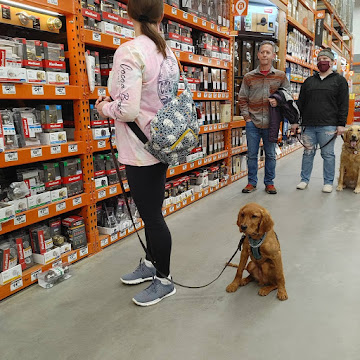
With at least one DHPP vaccine on board, start carrying the puppy through busy but sanitary environments — outdoor shopping centers, pet-friendly hardware stores, a neighbor's front porch. The AVSAB position statement is clear that the behavioral risks of under-socialization outweigh the infectious risks in controlled settings. Aim for 3–5 new sights, sounds, or surfaces per day. Let the puppy observe, reward calm behavior, and leave before they get overstimulated. Two short exposures beat one long one.
Weeks 6–8: Fireworks, Thunder, and Crowds
By mid-summer, systematic desensitization to loud noises should be well underway. Play fireworks and thunder audio at very low volume during meals and play — so the sounds become paired with good things — and increase volume only if the puppy stays relaxed. A 2020 survey in Veterinary Record found that over 50% of adult dogs show some degree of noise sensitivity, and nearly all of it is preventable with early desensitization. Also prioritize novel people: men with hats, children, delivery workers, and guests of different ages and sizes.
"More than 50% of adult dogs show noise sensitivity — nearly all preventable with early work"
— Veterinary Record, 2020
Weeks 9–12: Recall, Impulse Control, and Water
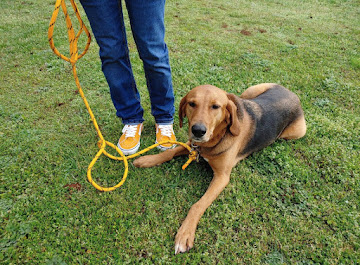
As the puppy moves past 16 weeks, the socialization window is closing and the obedience window is opening. This is the phase to cement recall on a long line in low-distraction outdoor environments, introduce "place" and "leave it," and — if you are near water — build a positive first swimming experience. The AKC recommends keeping early recall training on a 15–30 foot line until a dog has a documented 90%+ success rate across varied environments. Never call a puppy for something unpleasant; every recall should end in reward.
Heat and Safety Rules That Apply All Summer
Puppies overheat faster than adult dogs because of their smaller body mass and less developed thermoregulation. The AVMA advises avoiding outdoor training between 11 a.m. and 4 p.m. on days above 80°F and watching for early signs of heat stress: excessive panting, bright-red gums, or a reluctance to move. Training sessions should move to early morning or evening during Georgia summer, and water should always be available. A tired, cool puppy learns; an overheated puppy shuts down.
The Bottom Line
The puppy you have in July is not the puppy you brought home in April — for better or for worse. Every cookout, thunderstorm, and neighborhood walk is writing code into that dog's long-term behavior. A structured summer plan, adjusted for your puppy's breed, energy, and temperament, is the difference between a confident adult dog and a reactive one. Our board-and-train and private programs are specifically designed around this developmental window.
Book a Free Consultation